October 7, 2026
Exploring the timeless appeal of real wood surfaces requires evaluating material properties, long-term durability, and aesthetic alignment across your living spaces. Natural timber surfaces remain a premier choice for residential properties due to their classic visual warmth, structural resilience, and ability to elevate interior design concepts. While many property owners are drawn to its immediate visual charm, making a well-informed selection requires a comprehensive understanding of wood species, subfloor compatibility, finish options, and ongoing maintenance demands. Evaluating solid versus engineered planks, climate fluctuations, and long-term care protocols empowers homeowners to choose a durable flooring solution that enhances daily living while maximizing property value over time.
Understanding Primary Hardwood Species and Material Formats
Solid timber planks are milled directly from single pieces of natural hardwood, delivering exceptional strength and structural integrity. Solid wood flooring is typically installed on or above grade over plywood subfloors, where relative humidity remains consistently controlled. Because a solid plank contains a substantial wear layer above the tongue-and-groove joint, it can be sanded and refinished multiple times over its operational lifespan. This exceptional longevity makes solid timber a multi-generational investment that routinely lasts for decades when maintained under stable indoor humidity levels.
Engineered timber planks offer superior dimensional stability by bonding a genuine hardwood top veneer to a multi-ply cross-grain core. This layered construction minimizes natural expansion and contraction caused by seasonal humidity shifts, temperature swings, and ambient moisture. Engineered planks excel in below-grade basements, over concrete slabs, and across radiant heating systems where solid wood might warp, cupping, or gap. The wear layer thickness on engineered planks dictates how many times the surface can be lightly sanded, offering an authentic natural wood appearance with enhanced structural versatility.
Choosing between domestic and exotic timber species impacts both visual character and surface hardness. Popular domestic species—such as red oak, white oak, hard maple, and hickory—offer excellent durability, versatile grain patterns, and easy staining capabilities. Exotic species like Brazilian cherry, tigerwood, or teak deliver dramatic natural color variations and ultra-high Janka hardness ratings, though they carry higher material costs. Selecting pre-finished planks provides factory-cured protective coatings for immediate post-installation foot traffic, whereas sand-on-site unfinished planks allow for custom staining and seamless color matching across existing architectural trim.
Core Benefits: Durability, Air Quality, and Property Value
Investing in natural timber surfaces offers unmatched durability, structural resilience, and long-term asset appreciation. High-quality timber withstands daily foot traffic, active pets, and household movement far better than synthetic alternatives. When natural wear accumulates after years of continuous use, wood surfaces do not require complete tear-out and replacement. According to HomeGuide, wood floors should be refinished every seven to ten years to restore their appearance and address signs of wear. This unique restoration capacity dramatically lowers life-cycle replacement costs compared to short-lived floor coverings.
Beyond physical durability, real wood surfaces foster a healthier indoor environment by improving ambient air quality. Unlike fibrous carpets that trap dust, pet dander, pollen, and microscopic allergens, smooth timber surfaces prevent allergen accumulation. Routine sweeping and occasional damp mopping remove surface dust easily, making wood an ideal surface choice for individuals managing asthma or respiratory sensitivities. Furthermore, genuine wood releases no harmful synthetic volatile organic compounds (VOCs), promoting clean indoor air across residential living quarters.
Real timber installation yields a consistently high return on investment by boosting overall property valuation and buyer interest. Real estate professionals routinely highlight genuine wood surfaces as a major selling feature that accelerates market transactions. Prospective buyers recognize the lasting quality, warmth, and luxury associated with natural timber, making homes with updated floors significantly more competitive. The combination of easy hypoallergenic maintenance, classic aesthetic charm, and strong financial return makes natural timber a superior choice for discerning property owners.
Key Factors: Subfloors, Climate, and Moisture Control
Choosing the ideal floor format requires careful evaluation of subfloor construction, existing room conditions, and regional climate patterns. Solid timber requires a clean, flat, and structurally sound wooden subfloor suitable for blind-nailing or stapling. If your home features a concrete slab foundation, installing solid timber requires adding a moisture barrier and subfloor plywood system first. Alternatively, engineered planks can be glued directly to concrete, floated over specialized acoustic underlayments, or mechanically fastened, simplifying installation across varied architectural foundations.
Moisture control and indoor humidity management directly influence the long-term performance of real wood installations. Because wood is a natural hygroscopic material, it absorbs and releases atmospheric moisture, expanding in high humidity and contracting during dry winter months. Installing jobsite moisture barriers and maintaining indoor relative humidity levels between thirty and fifty percent prevents surface cupping, edge crowning, and gaps between planks. Rooms exposed to continuous standing water, such as full bathrooms or unconditioned mudrooms, require alternative tile surfaces to avoid moisture damage.
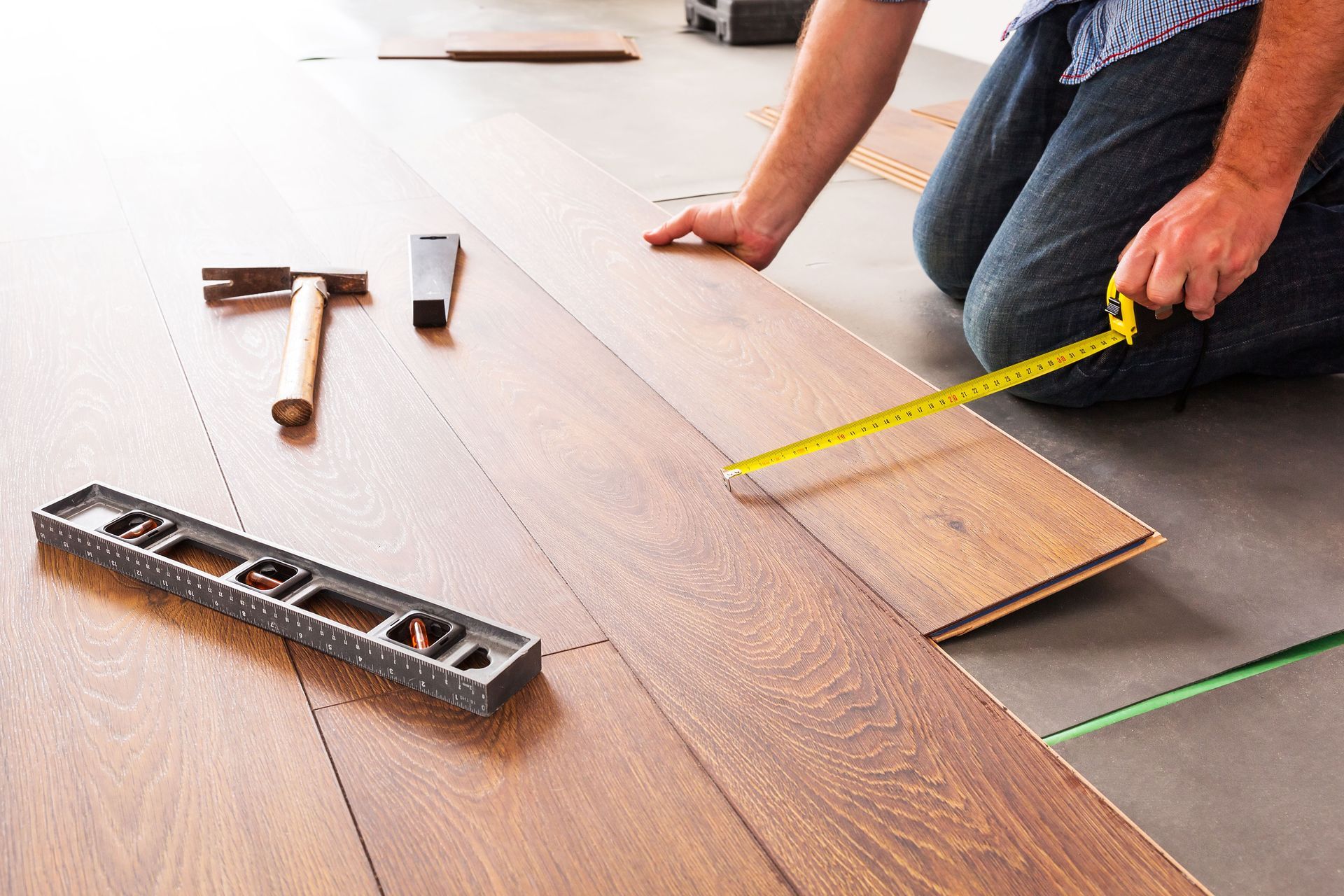
Acclimation is a mandatory pre-installation phase that ensures long-term floor stability. Unopened timber packages must sit within the target installation space for several days prior to fitting, allowing the wood's moisture content to equalize with the home's ambient climate. Skipping proper acclimation can cause severe post-installation warping or floor buckling as the wood adjusts to home conditions. Working with experienced installation specialists guarantees proper moisture testing, correct expansion gap allowances, and flawless material acclimation.
Maintenance Protocols and Long-Term Surface Preservation
Preserving the rich finish and structural integrity of your floors requires consistent, low-effort maintenance routines. Daily care involves sweeping with a soft-bristle broom or vacuuming with a hard-floor brush attachment to remove abrasive dirt and grit. Microfiber mops paired with specialized, pH-neutral hardwood flooring cleaners remove surface oils and smudge marks without stripping protective polyurethane finishes. Avoiding harsh chemical cleaners, steam mops, and excessive standing water protects the clear protective topcoat from clouding or peeling.
Implementing proactive protective measures around the home prevents unnecessary surface scratches and mechanical wear. Placing felt protective pads beneath all furniture legs distributes weight evenly and prevents gouging during chair movement. High-traffic entryways benefit from outdoor dirt-trapping mats and indoor runner rugs that catch abrasive sand, pebbles, and moisture before footwear contacts the floor surface. Additionally, keeping pet nails trimmed and removing high-heeled footwear mitigates localized impact denting on softer timber species.
Addressing minor surface wear promptly preserves the underlying wood fibers and delays full sanding requirements. Periodic screen-and-recoat procedures apply a fresh clear topcoat over lightly worn finishes, restoring deep luster without removing natural wood thickness. When deep scratches, persistent stains, or severe finish degradation accumulate after decades of heavy use, full sanding and refinishing restores the floor to brand-new condition. Proper routine maintenance combined with periodic professional recoating ensures your floors remain a stunning architectural feature throughout their lifetime.
Selecting the right hardwood flooring involves evaluating material formats, wood species, subfloor conditions, and lifestyle demands to achieve a lasting architectural upgrade. From the deep structural durability of solid timber to the moisture resistance of engineered planks, natural wood surfaces deliver unmatched aesthetic warmth, improved indoor air quality, and exceptional property valuation. Prioritizing proper moisture testing, material acclimation, and routine protective care ensures your floor surface maintains its rich beauty across decades of continuous use. Partnering with experienced trade specialists guarantees precise subfloor preparation and flawless installation execution. For premium material selections, expert design guidance, and master installation services, believe in the experienced team at K&M Floors to transform your living space.