November 9, 2026
Embarking on a comprehensive interior renovation requires a nuanced understanding of foundational building materials, spatial design, and daily lifestyle demands. Modern flooring serves as the functional bedrock of every residential space, absorbing heavy foot traffic, resisting environmental wear, and establishing the primary aesthetic tone across interconnected rooms. When property owners fail to account for underlying moisture dynamics, subfloor integrity, and routine wear patterns, newly installed surfaces can degrade prematurely, leading to frustrating structural squeaks, unsightly cupping, and expensive replacements. Working alongside an experienced flooring contractor ensures that material selection and site preparation are executed with meticulous precision, protecting your primary real estate investment while creating an inviting and resilient living environment.
Because every household presents distinctive living conditions—from bustling entryways frequented by pets to moisture-prone basements—navigating modern product catalogs demands specialized trade knowledge. Selecting suitable products involves balancing upfront procurement budgets with expected material lifecycles, maintenance regimens, and ease of installation. A seasoned flooring contractor evaluates environmental variables, including seasonal relative humidity swings, concrete slab porosity, and radiant heating compatibility, before a single plank is positioned. By embracing professional installation methodologies and proven preventative care practices, homeowners can eliminate avoidable installation defects, streamline their renovation timelines, and achieve stunning, enduring surfaces that retain visual elegance and high performance across every season.
Choosing the Ideal Flooring Material
Selecting the appropriate material for each room requires a balanced assessment of daily foot traffic, atmospheric humidity, and spatial function. Busy household zones such as mudrooms, kitchens, and main corridors demand resilient materials capable of resisting moisture, abrasive debris, and heavy static loads, making vitrified porcelain tile, luxury vinyl plank, or solid hardwood optimal choices. Conversely, private bedrooms and home office spaces often prioritize acoustic insulation and plush underfoot comfort. According to Forbes, carpet flooring typically has a lifespan of around ten years with proper maintenance, which requires homeowners to consider recurring replacement intervals when comparing soft textiles against resilient wood products. Consulting a seasoned flooring contractor early in the selection process provides invaluable guidance on matching specific product grades to authentic household lifestyle patterns.
Budgetary frameworks must look beyond initial material procurement costs and evaluate comprehensive lifecycle expenses, professional labor rates, and periodic refinishing requirements. While natural hardwood varieties entail higher initial investments, their inherent capacity for recurring sand-and-refinish cycles often yields substantial long-term financial efficiency compared to non-renewable surfaces. Modern rigid-core luxury vinyl and high-density laminate options offer budget-friendly alternatives that replicate authentic timber graining while delivering complete waterproof surface protection. By balancing aesthetic ambitions with technical performance specifications, property owners can select materials that harmonize with existing millwork and lighting schemes while providing decades of dependable service.
Preparing the Subfloor Foundation
Flawless flooring installations depend entirely upon the structural stability, cleanliness, and flatness of the subfloor framework resting beneath the finished planks. Whether working over a poured concrete slab or traditional plywood joist framing, technicians must inspect the base layer thoroughly for severe deflection, rot, and elevation variations. Placing high-performance planks over an uneven surface places unnatural torsional stress on delicate interlocking tongue-and-groove milling, eventually triggering persistent creaks, joint separation, and premature locking mechanism failure. Technicians utilize heavy straightedges and precision leveling compounds to flatten dips, sand down high seams, and drive structural fasteners through squeaking plywood decking into primary framing members.
Mitigating subterranean moisture transfer represents an equally critical preparation phase, particularly when installing engineered or organic materials over grade-level concrete. Porous concrete slabs continuously breathe vapor up from the surrounding earth, creating localized condensation pockets that ruin water-based glues and warp natural hardwoods. A knowledgeable flooring contractor conducts calcium chloride or in-situ relative humidity testing to determine vapor emission rates before laying down liquid epoxies, heavy polyethylene sheeting, or specialized acoustic underlayment membranes. Securing an impermeable moisture barrier and sound-absorbing underlayment safeguards finished boards from subterranean dampness, cushions daily footsteps, and ensures that the finished floor maintains its manufactured form permanently.
Executing Professional Installation Techniques
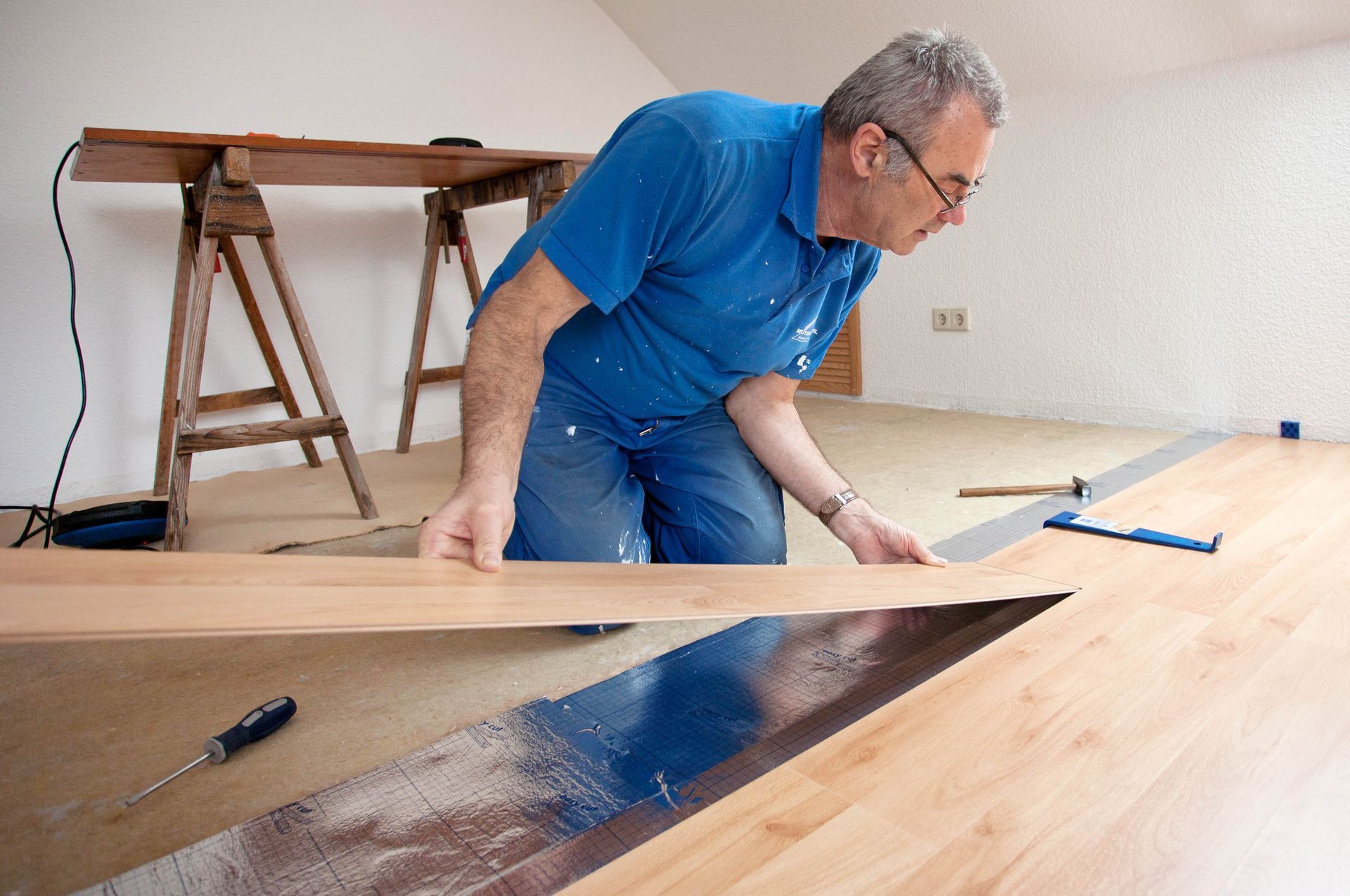
Executing a clean, long-lasting installation requires rigorous spatial planning, precise laser layout measurements, and uncompromising safety protocols. Prior to opening factory packaging, natural hardwoods and composite planks must undergo a mandatory acclimation period inside the conditioned living space to reach equilibrium moisture content with the ambient indoor air. When laying out the starter rows, technicians measure opposing walls to identify room skew and calculate balanced cut dimensions, preventing paper-thin slivers along perimeter baseboards. Starting along the primary sightline or the longest exterior wall guarantees an expansive, symmetrical aesthetic that directs sightlines across the interior living spaces.
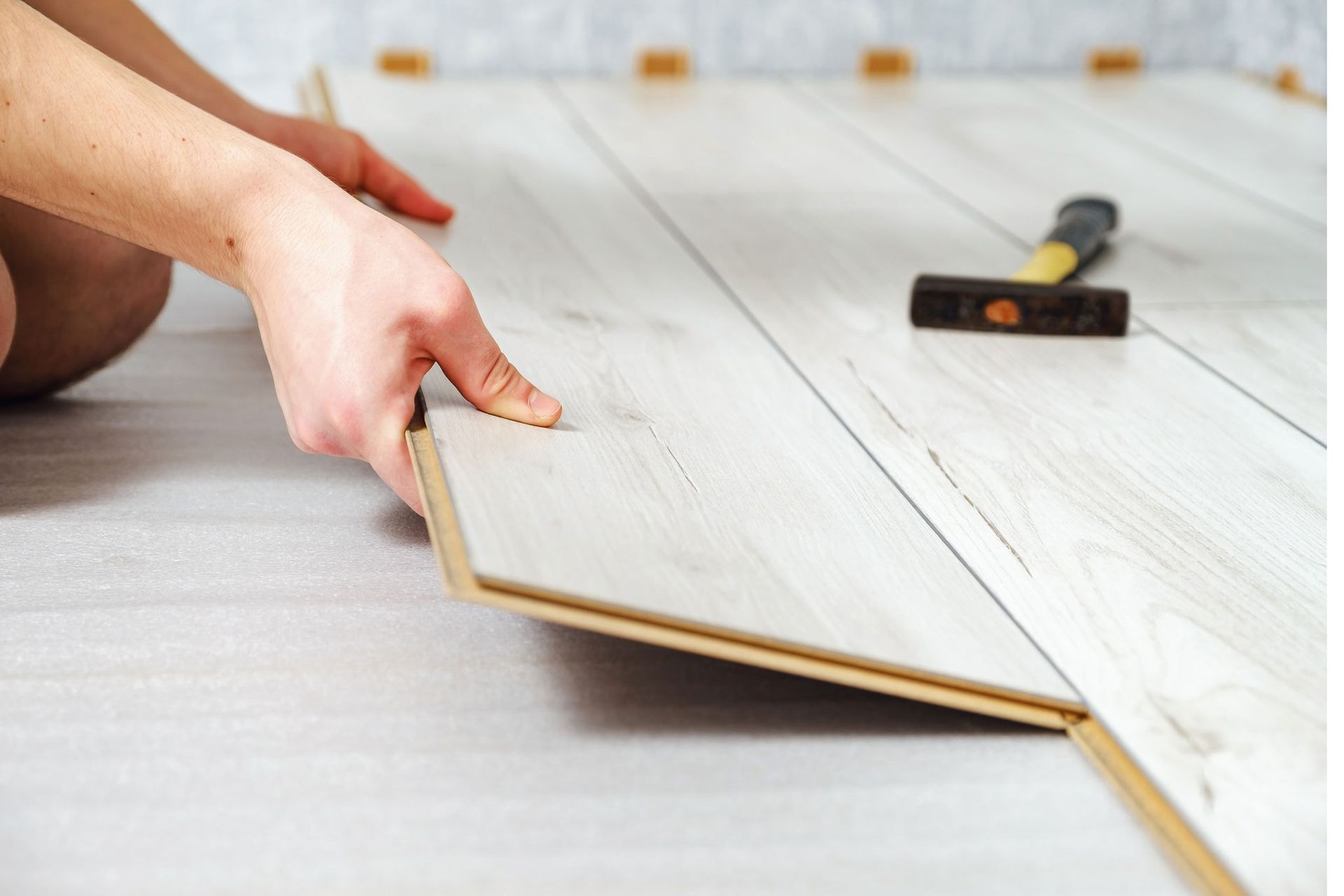
Maintaining deliberate expansion gaps along all perimeter walls, structural pillars, and door thresholds represents the difference between a durable floor and a catastrophic failure. Because solid timber and dense composite cores expand and contract in response to seasonal temperature fluctuations, neglecting perimeter expansion margins forces planks to push violently against framing studs, causing explosive floor buckling and peaked seams. An expert flooring contractor employs calibrated spacers, commercial undercut jamb saws, and specialized pneumatic staplers or tapping blocks to assemble seamless joints without chipping delicate factory bevels. Integrating custom transitions, color-matched quarter-round trims, and clean shoe moldings delivers a pristine, showroom-quality architectural finish.
Addressing Complex Structural Issues
Recognizing early warning indications of structural flooring failure allows property owners to intervene before minor imperfections turn into widespread structural hazards. Sudden floor bounce, expanding joint gaps, severe plank cupping, or persistent musty odors underneath baseboards indicate acute subfloor moisture saturation or foundation settling. When addressing noisy subfloors from beneath, securing loose joists with wood shims, construction adhesives, or specialized joist brackets eliminates annoying friction squeaks. For surface cupping caused by unexpected plumbing leaks or high humidity, identifying and repairing the liquid moisture source is essential before attempting to evaluate plank recovery.
When structural issues exceed the scope of basic DIY troubleshooting, scheduling an on-site diagnostic assessment with an insured flooring contractor provides clear clarity and reliable remediation plans. Skilled craftsmen utilize specialized non-destructive thermal imaging cameras and digital pin moisture meters to trace hidden slab leaks, failed crawlspace vapor barriers, or localized dry rot without demolishing intact floor surfaces. Whether a project requires precision board replacement, localized subfloor sistering, or complete architectural leveling, professional remediation permanently resolves the underlying environmental or mechanical fault, restoring structural safety, flat walking surfaces, and visual continuity across your home.
Implementing Eco-Friendly Material Solutions
Growing environmental awareness has sparked significant innovation within the flooring sector, providing homeowners with an impressive array of sustainable, non-toxic material choices. Rapidly renewable resources like moso bamboo and natural cork deliver outstanding durability and resilience while minimizing pressure on old-growth forest habitats. Reclaimed barn wood offers unmatched historic charm and dense grain structure, giving architectural timbers a second life while significantly reducing municipal landfill burdens. Furthermore, modern low-VOC finishes and plant-based zero-formaldehyde adhesives dramatically elevate indoor air quality, protecting families and companion pets from airborne chemical off-gassing and respiratory irritants.
Investing in green certified flooring options delivers substantial thermal efficiency benefits that support sustainable living and lower annual household operating overhead. Natural cork, thick wool textiles, and specialized recycled rubber underlayment layers create superior thermal barriers that impede heat loss through concrete slabs, keeping rooms comfortable with reduced mechanical heating requirements. When selecting organic wood products, verifying Forest Stewardship Council certification guarantees that raw lumber was harvested from responsibly managed working woodlands. Partnering with a qualified flooring contractor to pair eco-conscious raw materials with energy-efficient installation techniques allows homeowners to cultivate healthy, environmentally sound indoor living environments that elevate property appraisal values and showcase responsible stewardship.
From initial subfloor leveling and comprehensive moisture testing to final transition trimming and custom surface staining, working with trusted trade craftsmen provides complete peace of mind throughout every phase of your remodeling journey. When you are ready to enhance your home with high-performance hardwood, luxury vinyl plank, or custom tile installations, select a dedicated team known for superior craftsmanship and personalized service. For comprehensive estimates, expert guidance, and beautiful flooring installations that stand the test of time, contact K&M Floors to schedule your consultation and bring your dream interior to life.