September 1, 2026
Finding the ideal flooring for your home involves balancing personal style, daily functional needs, and your overall budget. This guide breaks down key practicalities, aesthetic possibilities, and long-term performance considerations to help you select a surface you will love for years to come. By evaluating how different materials respond to lifestyle demands, environmental conditions, and maintenance requirements, you can navigate the selection process with total confidence.
Making a well-informed selection lays the foundation for your entire interior design scheme while protecting your financial investment over time. By taking time to accurately assess room usage, foot traffic volume, and light exposure, you can prevent premature wear and costly replacements. Whether you prioritize child-friendly durability, eco-friendly resources, low-maintenance upkeep, or high-end natural finishes, understanding the core physical characteristics and engineering behind each option simplifies your decision. Explore these expert strategies to discover the best surface solutions for every room in your residence.
Understanding Your Lifestyle Needs
Before selecting any flooring material, carefully analyze how your household operates on a daily basis. High-traffic areas such as hallways, entryways, and kitchens require durable, scratch-resistant materials that can withstand continuous foot travel, while bedrooms benefit from softer, warmer surfaces where comfort is the primary priority. Additionally, families with young children or active pets should focus on surfaces like luxury vinyl plank (LVP) or high-grade laminate that offer superior moisture resistance, heavy-duty wear layers, and superior scratch protection. Evaluating daily routines, pet claw wear, heavy furniture indentations, claw impact from larger breeds, and potential spill risks ensures your selected surface remains functional and beautiful without requiring unreasonable maintenance effort.
Environmental conditions and maintenance preferences should also shape your decision. Homes in humid climates benefit from moisture-resistant options like glazed porcelain tile or stone-plastic composite (SPC) core materials, whereas cooler regions may favor insulating choices paired with electric or hydronic radiant underfloor heating systems. If you suffer from indoor allergies or respiratory sensitivity, hard, non-porous surfaces that do not trap dust, pet dander, or pollen provide a significantly healthier indoor environment than deep-pile carpeting. Choosing a low-maintenance material that aligns with your regular cleaning routine, such as sweep-and-damp-mop synthetic planks that eliminate the need for specialized polish, aggressive scrubbing, or steam treatments, prevents long-term frustration and preserves the surface appearance over time.
Exploring Different Flooring Options
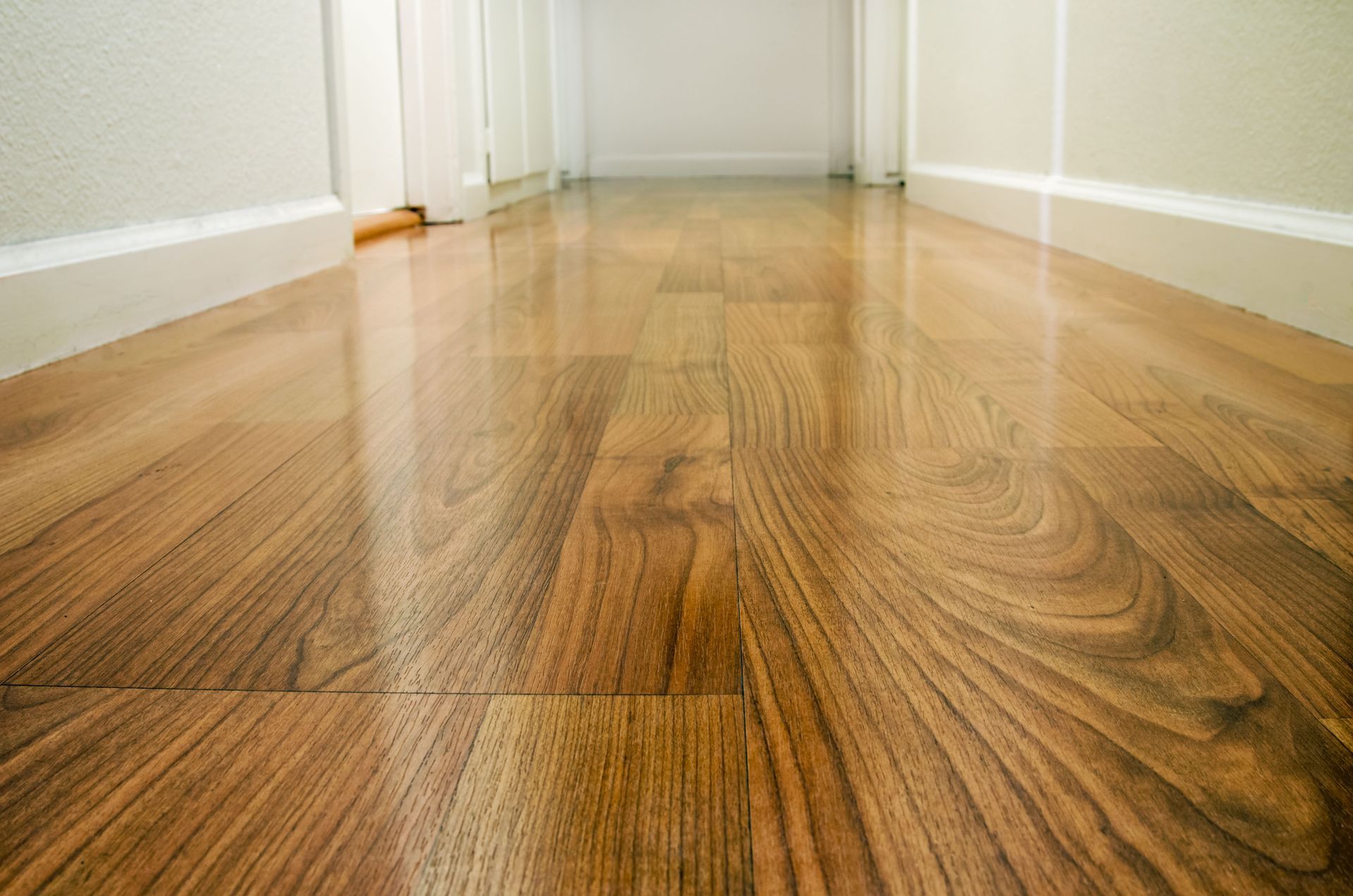
Every flooring option brings unique aesthetic qualities and practical benefits to a home layout. Hardwood provides timeless elegance and exceptional long-term resale value, though it requires protection from excess moisture, standing water, and severe physical scratches. Engineered hardwood bridges this gap by offering a genuine wood top layer (wear layer) over a stable, multi-ply core, making it far less prone to expanding, warping, or contracting during seasonal humidity fluctuations. Laminate offers a highly cost-effective alternative that mimics natural wood aesthetics while providing strong resistance against stains and everyday wear. Meanwhile, modern luxury vinyl options supply 100% waterproof performance, rigid core stability, and hyper-realistic digital textures, making them highly versatile choices for kitchens, mudrooms, laundry facilities, and finished basements.
Tile and carpeting serve distinct functions across different living zones. Ceramic and porcelain tiles deliver supreme durability and custom design flexibility through varied patterns, sizes, and grout pairings, making them optimal for high-moisture spaces like bathrooms and utility rooms. Modern porcelain options can even simulate natural stone, concrete, polished marble, or reclaimed timber with remarkable accuracy. Conversely, carpet provides unmatched sound absorption, thermal insulation, and underfoot comfort for quiet bedrooms, nurseries, or formal sitting rooms. Paying close attention to physical specifications, such as the mil thickness of vinyl wear layers, the AC durability rating of laminates, the fiber type of carpet, or the pile density ratings, allows you to match material engineering directly to the specific foot traffic demands of each room.
Determining Your Overall Budget
Establishing a comprehensive budget early in the project helps narrow down material choices without creating financial strain. Consider both immediate material costs and long-term value, as investing in higher-quality, long-lasting surfaces can prove far more economical over time than choosing low-cost options that require frequent replacement or resurfacing. According to Global Growth Insights, the global flooring market was valued at about $389.4 billion in 2025, reflecting the growing global focus on durable, high-performing residential materials that hold their value over time.
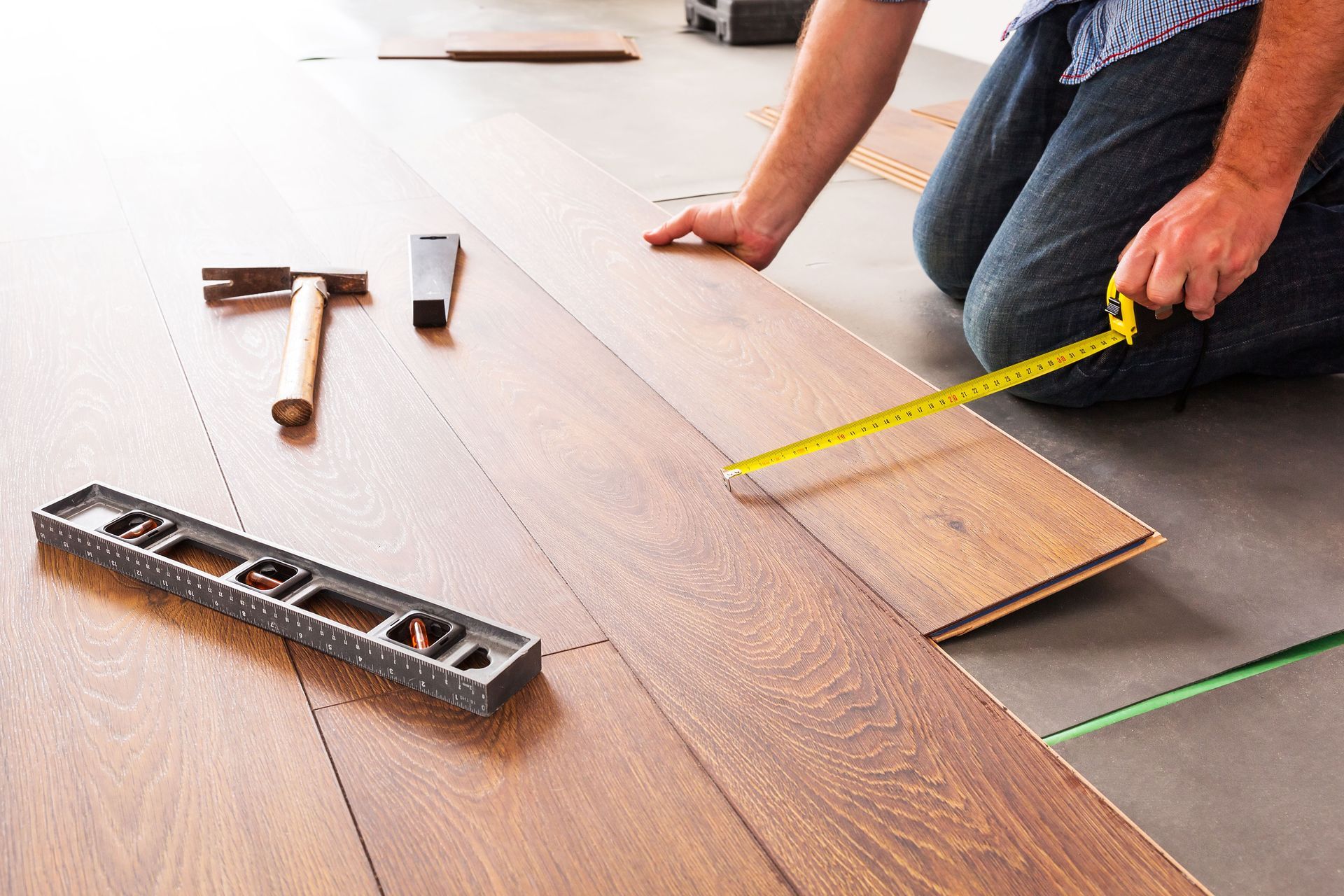
Be sure to account for professional installation labor, specialized sound-absorbing or moisture-barrier underlayments, old floor removal and disposal, baseboard trim work, and subfloor prep or leveling when calculating your overall expenditure. Subfloor remediation, such as leveling uneven concrete slabs, filling low spots, or replacing water-damaged plywood subfloors, can quickly inflate total project costs if not identified during initial home estimates. While DIY installation can reduce short-term costs on floating click-lock products, professional installation guarantees manufacturer warranty compliance and precise execution for complex materials like natural stone, glue-down parquet, or nail-down solid hardwood. Evaluating financing options, freight shipping fees, transition molding costs, and comparing long-term material lifespans allows you to maximize your investment without sacrificing structural quality.
Considering Aesthetic Preferences
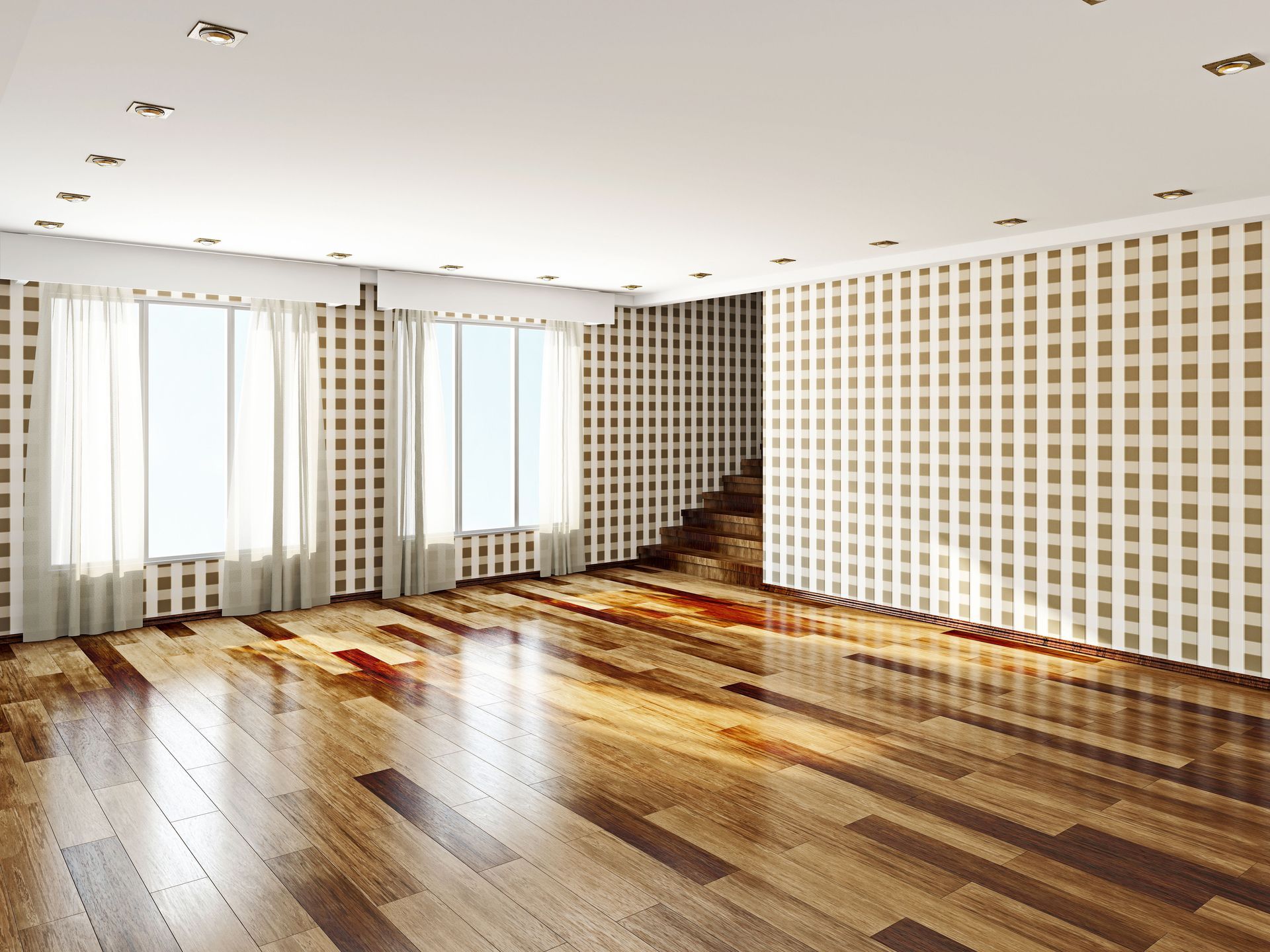
Your flooring choice serves as the primary visual anchor for your entire home, making it vital to harmonize new surfaces with existing cabinetry, architectural trim work, wall colors, and overall decor. Light-colored surfaces open up smaller rooms by reflecting natural light, whereas dark, rich tones like walnut, espresso, or dark stain create a grounded, cozy, and sophisticated atmosphere. Incorporating textured finishes like hand-scraped wood, wire-brushed finishes, matte polishes, or unique tile patterns adds visual depth while helping conceal minor surface dust, scuffs, water spots, and pet hair between regular cleanings.
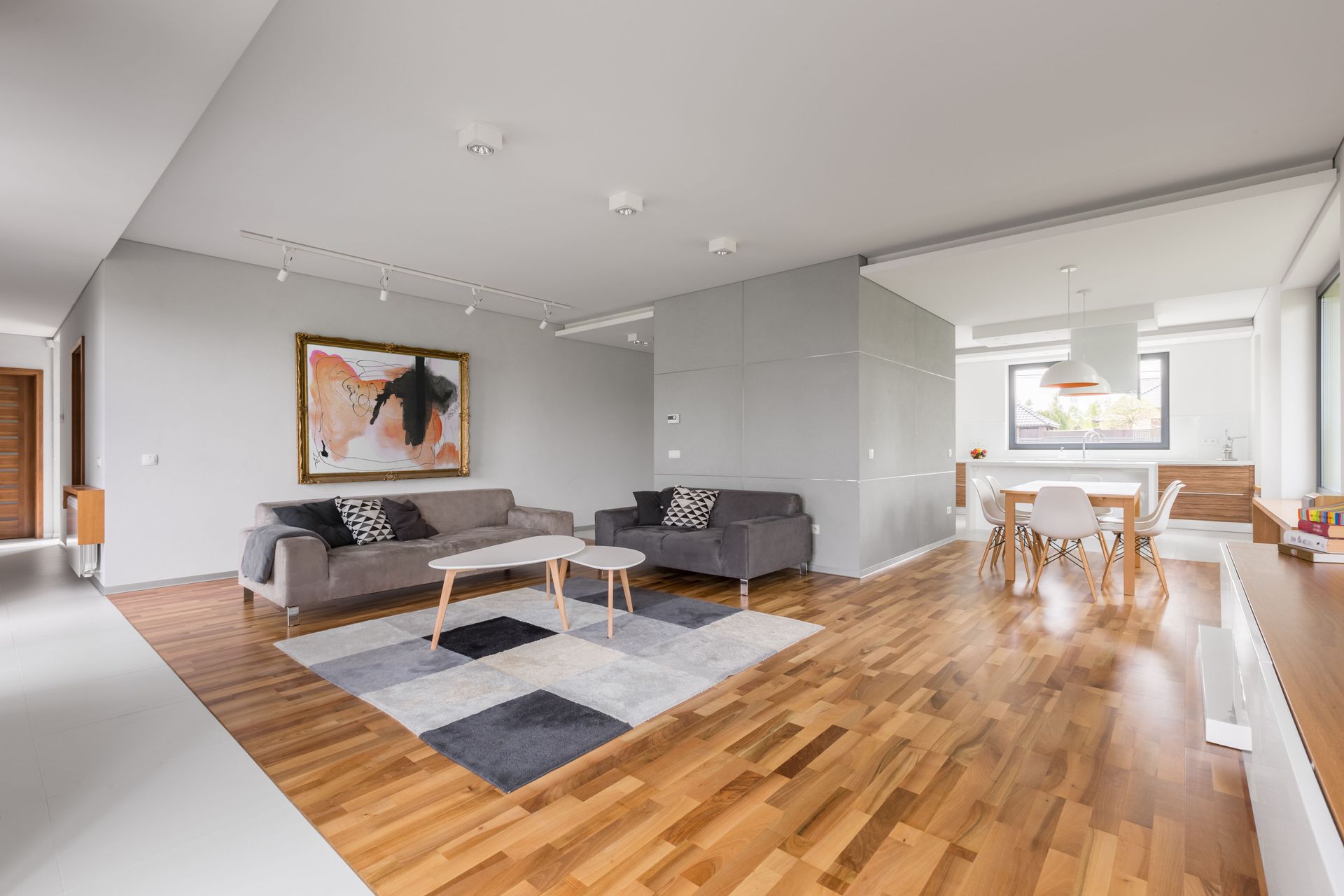
Strategic flooring choices can also alter the visual proportions and spatial flow of your living space. Laying wide planks parallel to the longest wall or perpendicular to primary light sources can draw the eye outward, making narrow hallways and tight rooms feel broader. Running consistent flooring continuously through adjacent open-concept rooms creates a seamless visual flow that makes interiors feel noticeably larger, modern, and cohesive. Alternatively, switching materials across distinct architectural zones helps define dedicated spaces, such as separating an entry foyer, dining nook, or fireplace hearth from an adjoining living area using custom transition strips, metal trims, or decorative border accents. Aligning material style with home architecture yields a harmonious, well-balanced environment.
Prioritizing Sustainability and Longevity
Eco-conscious home improvements prioritize renewable materials, responsible manufacturing, and healthy indoor air quality standards. Options like rapidly renewable bamboo, harvested cork, and reclaimed timber reduce environmental impact while providing distinct visual character, natural acoustic dampening, shock absorption, and natural insulation properties. Looking for recognized industry certifications, such as Forest Stewardship Council (FSC) labels, FloorScore certification, or low-VOC (volatile organic compound) emission ratings, ensures your chosen surface supports clean indoor air and ethical sourcing practices.
Long-term sustainability also relies on choosing resilient materials with extended lifecycles and minimal maintenance overhead. Solid hardwood can be sanded, repaired, and refinished multiple times over its century-long lifetime, while natural stone tiles can endure for generations, significantly reducing landfill waste and resource consumption compared to short-lived floor coverings. Additionally, investigating product warranties, structural guarantees, acoustic sound transmission ratings (such as IIC and STC scores for multi-story living), manufacturer take-back recycling programs, and proper subfloor maintenance guarantees your investment delivers reliable beauty, safety, and functionality for generations. For more information about the services that we offer, reach out to our incredible team at K&M Floors today!