July 30, 2026
Flooring plays a major role in the comfort, safety, and appearance of a home. When floors are installed correctly, they create smooth transitions, support daily activity, and provide a finished look throughout each room. However, damaged materials, poor installation, moisture problems, or unstable subfloors can quickly turn a cosmetic concern into a larger issue. Homeowners may notice lifting planks, widening gaps, unusual sounds, or soft areas underfoot. Delaying repairs or replacement may allow damage to spread. Knowing when professional help is necessary can protect the structure beneath the surface, reduce safety risks, and restore the appearance and function of your home.
1. Noticing Loose or Shifting Floorboards
Floorboards that move, slide, or lift when stepped on often indicate an installation or subfloor problem. Hardwood planks, laminate pieces, and luxury vinyl products should remain stable once properly secured. When they begin shifting, the cause may involve failed adhesive, damaged locking systems, incorrect spacing, or an uneven base. Movement may gradually spread as foot traffic puts pressure on surrounding sections. Loose materials can also create raised edges that catch shoes, scratch nearby boards, or allow dirt and moisture to settle underneath.
A flooring installer can remove affected sections, inspect the area below, and determine whether the problem is limited to the visible material or connected to a broader concern. Some boards can be reset or replaced without removing the entire floor. In other cases, correcting the subfloor or expansion spacing may be necessary to prevent the issue from returning. Prompt attention can protect adjoining materials and reduce the risk of tripping over an uneven edge.
2. Finding Cracks, Chips, or Deep Damage
Minor scratches are common in busy homes, but deep cracks, large chips, broken tiles, or splintered boards require serious attention. Damage may develop from impacts, moving appliances, water exposure, or years of wear. Broken sections can create sharp edges and expose the layers beneath the finish. Once the protective surface is compromised, dirt, moisture, and repeated pressure may cause the area to deteriorate more quickly. Temporary fillers or rugs may hide the problem, but they do not restore strength.
A flooring installer can determine whether individual pieces can be replaced or whether a larger section has reached the end of its useful life. Because matching older finishes can be difficult, a professional may recommend ways to blend new materials with the existing design. The surrounding surface can also be checked for hidden cracks or weakened adhesive. Addressing damage early can preserve nearby materials and prevent sharp or unstable sections from becoming safety hazards.
3. Detecting Moisture, Warping, or Swelling
Moisture can damage many types of flooring and create visible changes such as cupping, bubbling, staining, swelling, or curled edges. These problems commonly appear near sinks, appliances, exterior doors, bathrooms, basements, or plumbing fixtures. Even products designed for damp environments can fail when water reaches seams or remains trapped underneath. According to Bob Vila, some vinyl plank flooring products can provide up to 100% water resistance. However, water resistance does not protect the subfloor or surrounding materials from every leak or prolonged exposure.
A flooring installer can assess the visible damage and determine whether moisture has affected the underlayment or subfloor. Before new materials are installed, the source of the water must be corrected and the area thoroughly dried. Installing over damp surfaces can trap moisture and lead to odors, mold, adhesive failure, or repeated warping. Professional moisture testing can confirm when the space is ready for repair. Fast action is especially important after flooding or appliance failures because hidden moisture can continue spreading after the surface appears dry.
4. Feeling Soft, Uneven, or Sinking Areas
Floors should feel firm and level during normal use. A soft, spongy, dipping, or sinking area may point to damaged underlayment, rotting wood, loose panels, or weakened structural support. These changes may become noticeable when furniture tilts, doors stick, or the surface flexes. Uneven areas may increase the risk of falls, particularly for children, older adults, or people with limited mobility. Covering the spot with a rug does not address the cause and may make the height difference harder to see.
A flooring installer can identify whether the issue comes from the finished material or the structure underneath it. The surface may need to be removed so the subfloor can be inspected for moisture, pest damage, loose fasteners, or deterioration. Repairs may involve replacing panels, leveling low areas, reinforcing supports, or installing new underlayment. These steps create a stable base and reduce the chance of repeated movement. Immediate evaluation is wise when the area continues sinking or is located near a recent leak.
5. Hearing Persistent Squeaks or Popping Sounds
Occasional noise can occur as materials expand and contract, but frequent squeaks, creaks, clicks, or popping sounds may indicate excessive movement. These noises can result from loose subfloor panels, missing fasteners, gaps between layers, or materials installed without enough expansion space. In floating floors, damaged locking edges may rub together during foot traffic. Hardwood boards may also squeak when they pull away from the subfloor or shift against nearby planks. Persistent sound can signal that the floor is not fully secure.
A flooring installer can trace the sound, examine movement patterns, and recommend a repair based on the floor's construction. Some squeaks can be corrected with targeted fastening or adhesive, while widespread noise may require lifting sections of the surface. A professional can also check whether improper acclimation, uneven subflooring, or tight perimeter spacing caused the problem. Homeowners should seek help when noises become louder, spread to new areas, or appear alongside visible gaps or movement.
6. Seeing Gaps, Buckling, or Raised Seams
Gaps and buckled areas often develop when materials react to temperature, humidity, or moisture. Some expansion and contraction is normal, especially with wood-based products, but large openings or raised seams suggest that the surface cannot move as intended. Installation errors may include insufficient expansion space, poor acclimation, uneven fastening, or incorrect adhesive. Buckling may also occur when water causes materials to swell. Raised seams can become tripping hazards, while open gaps collect dust and make the room look unfinished.
A flooring installer can evaluate the damage and determine whether affected materials can be adjusted or must be replaced. Repairs may involve removing trim, relieving perimeter pressure, replacing swollen boards, or correcting moisture and humidity conditions. The original product can also be checked to confirm that it was appropriate for the room and installed according to manufacturer requirements. Waiting may cause boards to crack, locking systems to break, or damage to spread into nearby areas.
7. Planning a Major Home Renovation
A major renovation is another reason to seek professional help immediately. Kitchen updates, bathroom remodels, wall removals, new cabinetry, and open-concept changes can all affect the flooring layout. Waiting until the end of the project to plan the surface may create uneven transitions, exposed gaps, or conflicts with appliances and built-in features. The installation schedule matters because some materials should be placed before cabinets, while others are installed afterward. Early coordination helps prevent delays and reduces the need to remove newly completed work.
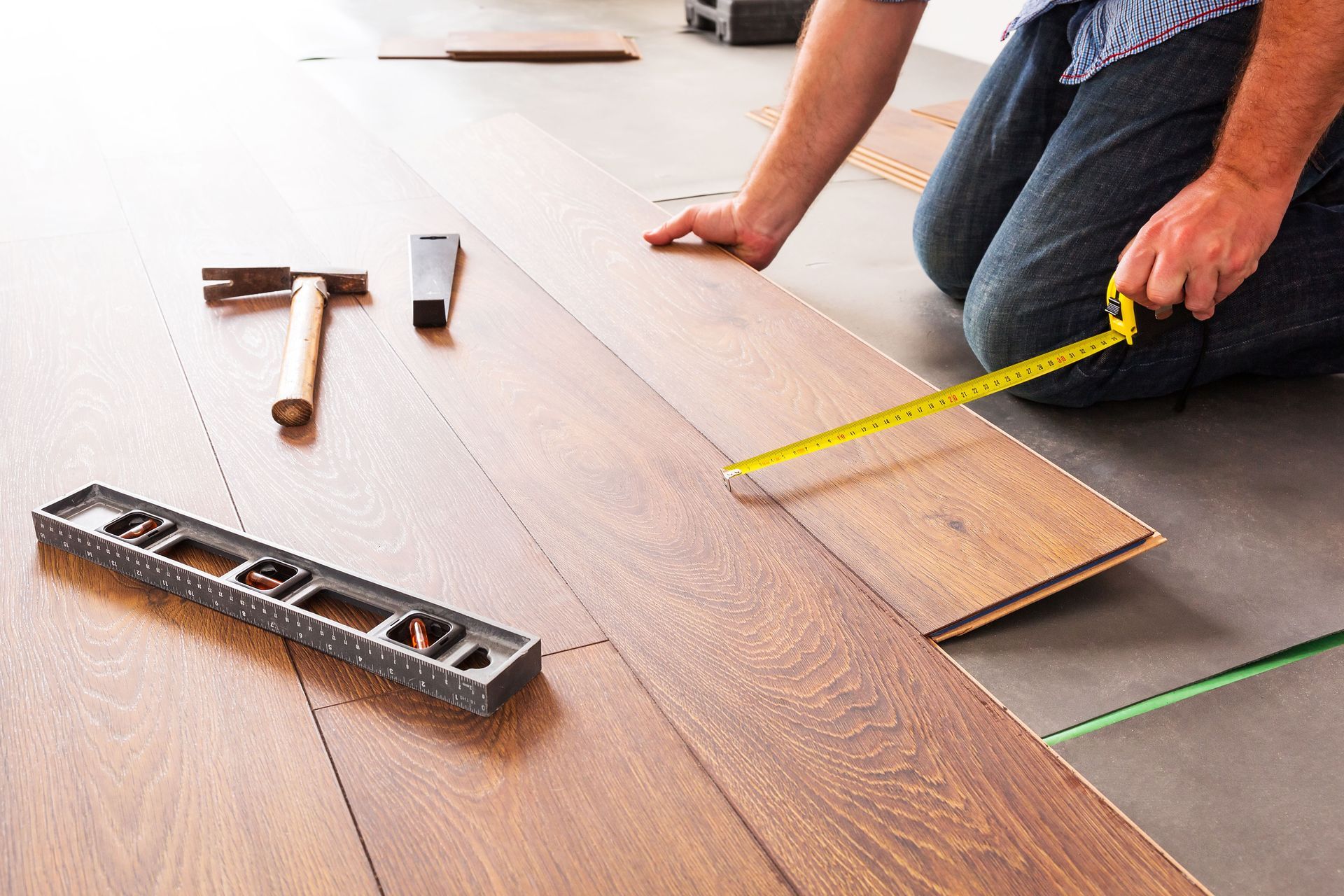
A flooring installer can measure the space, calculate material needs, review transition points, and coordinate with other contractors. Professional planning accounts for door clearances, subfloor height, moisture exposure, traffic patterns, and the direction of planks or tile. It also helps homeowners select products suited to the room's function and maintenance needs. Bringing a specialist into the project early can improve design consistency and keep the renovation moving smoothly, especially when multiple rooms are involved.
Flooring problems can affect safety, comfort, appearance, and the condition of the structure beneath the surface. Loose boards, deep cracks, moisture damage, soft spots, persistent noises, buckling, and major renovation plans are all signs that professional help should not be delayed. A careful evaluation from a flooring installer can identify the source of the problem, clarify repair or replacement options, and prepare the area for a durable result. Acting quickly may limit damage, reduce disruption, and protect your investment before a manageable concern becomes more expensive. For professional service and dependable flooring solutions, contact K&M Floors today.